
“Children are the living message we send to a time we will not see.”
— Neil Postman
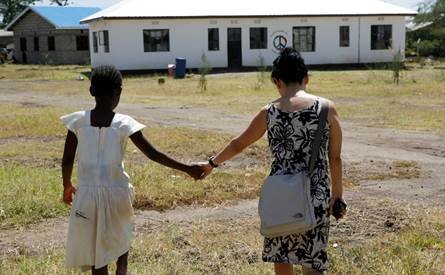
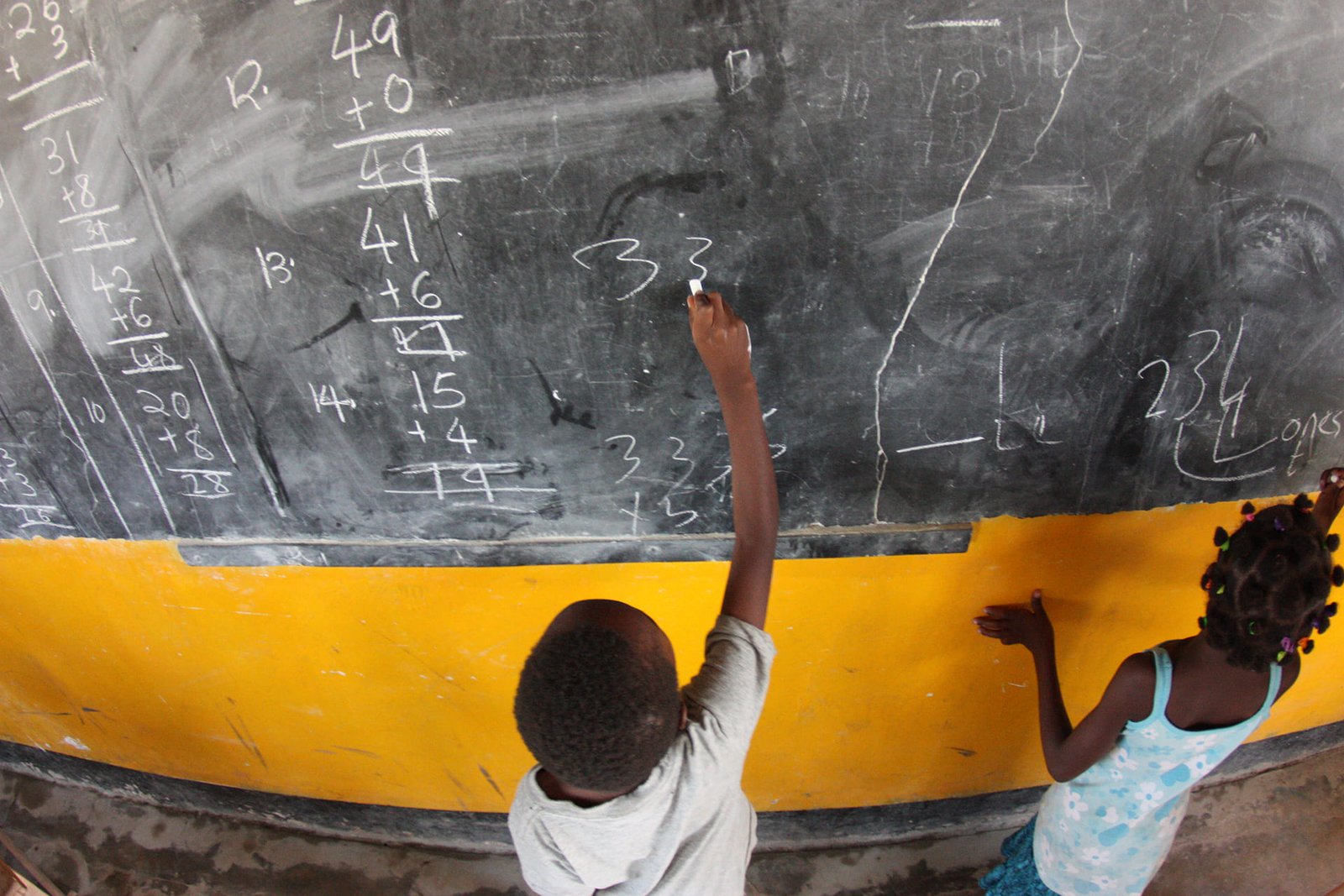
Some years ago, I made a decision that would change my perspective on life. I stepped away from my regular routine and volunteered at a primary school and orphanage in Tanzania. Though I had visited Tanzania before, those trips were luxurious safaris, far removed from the everyday lives of local people. This time, I sought something deeper—an experience that would challenge my understanding of the world and my place in it.
Arriving on an evening flight to Kilimanjaro Airport, I had no idea what to expect. From the moment I stepped off the plane, my journey was filled with eye-opening moments, eventually transforming into a life-changing experience.
At arrivals, a young man waited to take me to the orphanage where I would be staying for the next couple of months. Unlike my previous trips—where uniformed drivers in air-conditioned Land Cruisers greeted me with chilled bottled water—this time, I found myself wrestling with the dented door of a well-worn red Suzuki Sidekick. The door wouldn’t open from the outside. With a small chuckle, the driver leaned over and popped it open from within. That was my first indication that this trip would be unlike any before.
On the drive to the orphanage, I learned I would be spending my first night at a lodge, as the orphanage was full. Having grown accustomed to upscale accommodations, I was unprepared for what awaited me. The budget lodging was unlike anything I had ever encountered. The mosquito net around the bed had gaping holes large enough for a small bat to crawl through, but after more than 24 hours of travel, exhaustion outweighed my fear of malaria.
The next morning, my driver returned to take me to the orphanage. As we drove down a dusty, uneven road past rows of modest homes, I realized just how different this reality was from the Tanzania I had known as a tourist. When we finally arrived, the orphanage looked nothing like the photos on its website—it was far simpler, having recently moved locations.
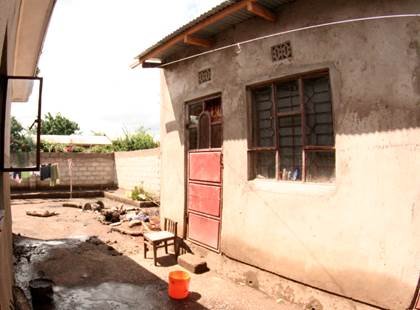
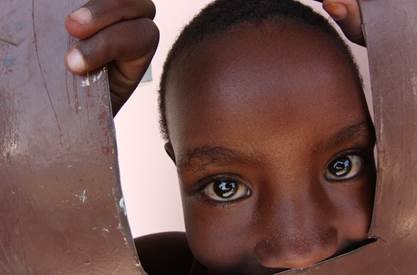
The children were in their rooms for afternoon quiet time as I was shown around my new home. Coming from a world of gleaming floors, crisp white walls, and plush carpets, the orphanage was a stark contrast. The floors were cracked concrete, the walls smudged with years of grime. The living room held a single dark purple couch, a rickety bookshelf, and an outdated television. Peeking into the children’s bedrooms, I was met with bright eyes and excited smiles. Though they were accustomed to volunteers coming and going, they greeted me with warmth, their laughter filling the air. Their English was surprisingly fluent, and their curiosity was endless. Yet, as I stood there, overwhelmed by the strong scent of ammonia, I silently questioned whether I could endure even a week here—let alone two months.
The first week was rough. I was used to private hotel rooms, not bunk beds shared with three other enthusiastic volunteers. The orphanage had plumbing and electrical wiring, but the water never worked, and the electricity was sporadic at best. At night, massive cockroaches emerged from unseen crevices. I was a vegetarian, but the orphanage’s idea of a meat-free meal was simply removing the meat from my portion. If I wanted to flush the toilet, take a bucket shower, or wash dishes, I had to fetch water from a well 400 meters away—repeatedly, under the relentless 30-degree heat. Needless to say, showers were infrequent. I was far, far outside my comfort zone.
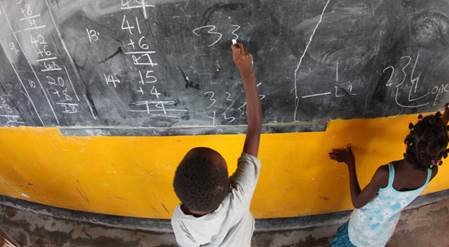
Yet, over time, I adjusted. What initially seemed unbearable became normal. I realized that, compared to many local homes, the orphanage offered more space and comfort. My perspective shifted.
One evening, weeks into my stay, I experienced a kind of happiness I had never known. The electricity was working that night, and the volunteers and children gathered in the small living room to play a guessing game. Laughter echoed through the room. Cheers erupted when someone guessed correctly, and good-natured teasing followed wrong answers. At one point, I paused and took it all in—the joy, the simplicity, the genuine human connection. In that moment, I understood something profound: happiness doesn’t come from things. It comes from within.
We live in a world that equates material wealth with happiness. We chase after the latest gadgets, fashion trends, bigger homes, and luxury cars, believing they will bring us joy. And perhaps they do—momentarily. But the cycle is endless; the satisfaction fleeting. Meanwhile, the cost to our planet is immeasurable.
Climate change is real. The choices we make today will shape the world for future generations. The relentless production of goods to satisfy our endless consumerism depletes natural resources, pollutes the environment, and generates massive waste. We buy in pursuit of happiness, then discard what we deem outdated, burdening an already fragile Earth. But the truth is, we don’t need most of what we accumulate.
Tanzania taught me that happiness isn’t tied to material wealth. It taught me to use things until they are no longer repairable, to value what I have, and to be mindful of what I consume. Wastefulness is a privilege we can no longer afford.
My daughter lives a privileged life in Canada. She has more toys than she needs, and every shopping trip includes the familiar plea: “Mommy, I NEED this!” I explain the difference between a need and a want, but I know that true understanding comes through experience. That’s why, one day, I plan to take her to Tanzania—to visit the orphanage, to witness firsthand that joy and laughter don’t require an iPad, pretty dresses, or mountains of toys.
It’s up to us to teach our children a different way forward—a way that respects our planet and prioritizes what truly matters. Because in the end, the greatest lesson I learned in Africa was not about survival or resilience, but about the beauty of simplicity and the power of human connection.