
Journey to Stunning Destinations
DISCOVER TANZANIA’S ICONIC DESTINATIONS
Tanzania is the epitome of African adventure, offering more iconic destinations than any other country on the continent. From the endless plains of the Serengeti to the snow-capped peaks of Mount Kilimanjaro, from the spice-laden shores of Zanzibar to the vast waters of Lake Victoria —Tanzania has it all. If you were to choose just one country to visit in Africa, Tanzania would be the ultimate choice.
Serengeti National Park
Considered the crown jewel of Tanzania’s national parks, Serengeti National Park spans nearly 5,700 square miles (14,700 square kilometers). It is home to the world-famous Great Migration, the largest herd of migrating ungulates, and the highest concentration of predators on Earth, including lions, leopards, cheetahs, and hyenas.
The Serengeti’s diverse landscapes—endless short grass plains, massive granite kopjes, long grass savannahs, and flat-top acacias—create a photographer’s paradise. With rich and varied wildlife, the park offers year-round game viewing and a high likelihood of encountering the Big Five: lion, leopard, elephant, buffalo, and black rhino.
The Serengeti’s diverse landscapes—endless short grass plains, massive granite kopjes, long grass savannahs, and flat-top acacias—create a photographer’s paradise. With rich and varied wildlife, the park offers year-round game viewing and a high likelihood of encountering the Big Five: lion, leopard, elephant, buffalo, and black rhino.
Ngorongoro Crater
Ngorongoro Crater, the world’s largest intact volcanic caldera, spans approximately 100 square miles (258 square kilometers). This natural wonder is a microcosm of the Serengeti ecosystem, encompassing grass plains, woodlands, soda lakes, and freshwater springs.
An estimated 25,000 large mammals reside here, making it one of the best places for year-round wildlife viewing. Visitors often encounter all major East African species, including the endangered black rhino, during a single game drive.
An estimated 25,000 large mammals reside here, making it one of the best places for year-round wildlife viewing. Visitors often encounter all major East African species, including the endangered black rhino, during a single game drive.
Zanzibar & Stone Town
The Zanzibar Archipelago, located off Tanzania’s coast in the Indian Ocean, comprises over 50 islands. The largest, Zanzibar Island, is famous for its pristine white sand beaches and turquoise waters, making it a popular destination for honeymooners or those seeking relaxation after a safari or Kilimanjaro trek.
Stone Town, Zanzibar’s historic capital, boasts a rich blend of Arab, Persian, and Indian influences that shaped Swahili culture. Its charming 19th-century architecture serves as a window into the island's history as a hub for the spice and slave trade.
Stone Town, Zanzibar’s historic capital, boasts a rich blend of Arab, Persian, and Indian influences that shaped Swahili culture. Its charming 19th-century architecture serves as a window into the island's history as a hub for the spice and slave trade.
Mount Kilimanjaro
Standing at 19,341 feet (5,895 meters), Mount Kilimanjaro is Africa’s tallest peak and the world’s highest freestanding mountain. Known as the "Roof of Africa," this iconic snow-capped mountain is accessible to climbers without technical training, making it the easiest of the Seven Summits to conquer.
Seven official trekking routes offer climbs ranging from 5 to 9 days, with approximately 30,000 to 50,000 climbers attempting the summit each year.
Seven official trekking routes offer climbs ranging from 5 to 9 days, with approximately 30,000 to 50,000 climbers attempting the summit each year.
Tarangire National Park
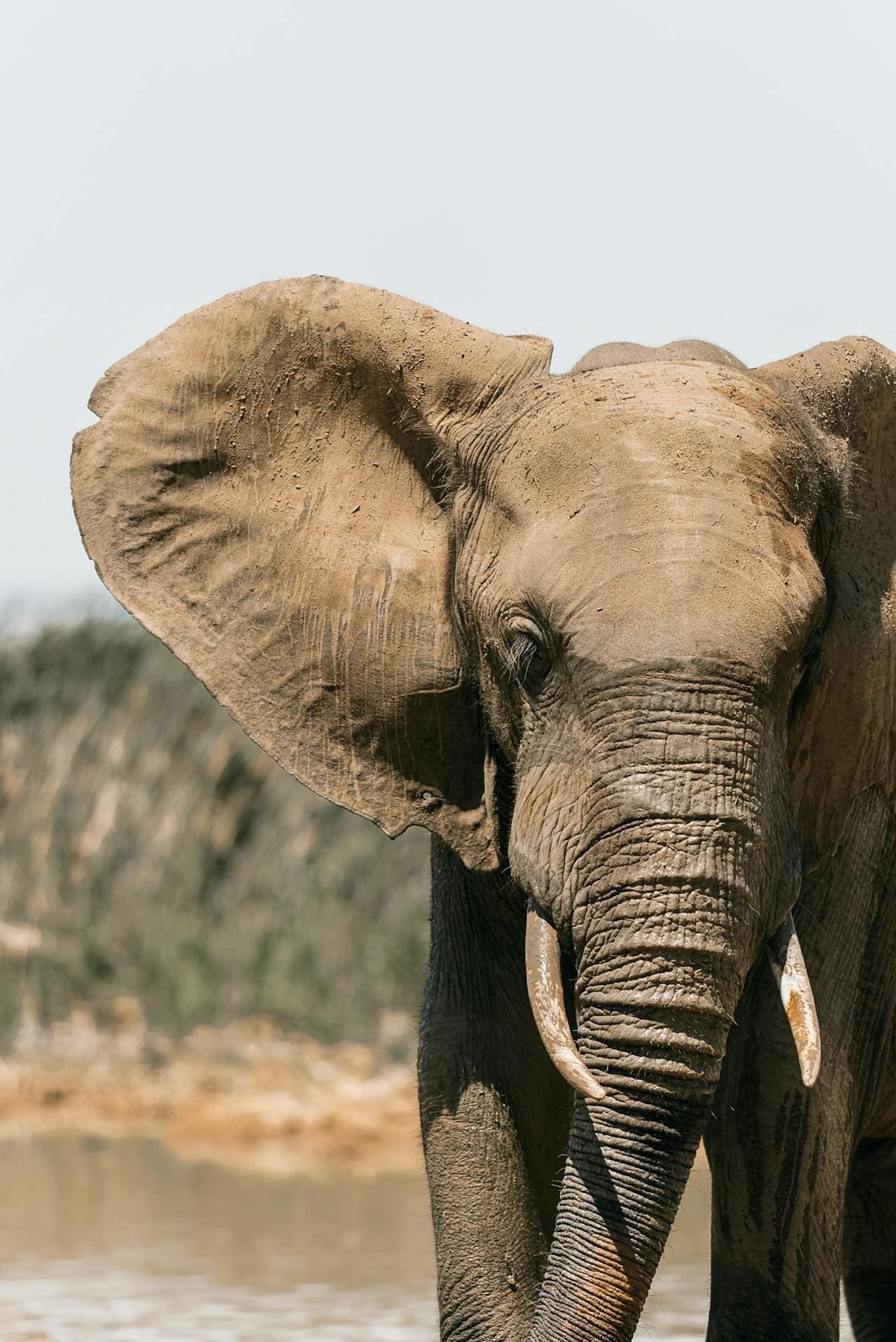
Renowned for its iconic baobab trees, large elephant herds, and remarkable termite mounds, Tarangire National Park is a wildlife haven. The Tarangire River serves as a lifeline for animals during the dry season, drawing large numbers of wildlife between June and November.
With game viewing that can rival the Serengeti in the dry season, Tarangire offers a rewarding safari experience.
With game viewing that can rival the Serengeti in the dry season, Tarangire offers a rewarding safari experience.
Lake Manyara National Park
A small yet picturesque park, Lake Manyara is home to over 400 bird species and a variety of wildlife, including elephants, hippos, giraffes, and warthogs. Known for its high concentration of baboons, the park also offers sightings of lions and leopards, though they can be elusive in its dense vegetation.
Lake Eyasi
Located at the base of the East African Rift Valley, Lake Eyasi offers stunning views of the Rift Valley wall and the Serengeti Plateau. This seasonal lake has become a popular stop for cultural tours, where visitors can meet the Hadzabe people, one of Africa’s last remaining hunter-gatherer tribes.
Lake Natron
Situated at the foot of the active volcano Oldonyo Lengai, or "Mountain of God," Lake Natron is one of the world’s most caustic lakes. With water temperatures reaching 140°F (60°C), it serves as a critical breeding ground for 75% of the world’s lesser flamingo population.
Though not a traditional wildlife destination, Lake Natron’s dramatic landscapes and seclusion offer a unique opportunity for walking safaris and exploration.
Though not a traditional wildlife destination, Lake Natron’s dramatic landscapes and seclusion offer a unique opportunity for walking safaris and exploration.
Ngorongoro Conservation Area
A UNESCO World Heritage Site spanning 3,200 square miles (8,300 square km), Ngorongoro Conservation Area is a breathtaking wilderness that forms part of the iconic Serengeti ecosystem. Home to the legendary Ngorongoro Crater—the world’s largest intact caldera—and the ancient wonders of Olduvai Gorge, this destination offers an unrivaled blend of wildlife and history.
During the green season spanning from mid-December to April, the short grass plains of the Ngorongoro Conservation Area are home to the Great Migration and in February the annual wildebeest calving takes place across the southern and eastern plains.
Experience the dramatic landscapes, embark on relaxed walking safaris, thrilling off-road game drives and authentic cultural encounters in the Ngorongoro Conservation Area.
During the green season spanning from mid-December to April, the short grass plains of the Ngorongoro Conservation Area are home to the Great Migration and in February the annual wildebeest calving takes place across the southern and eastern plains.
Experience the dramatic landscapes, embark on relaxed walking safaris, thrilling off-road game drives and authentic cultural encounters in the Ngorongoro Conservation Area.
Talk to Our Team
Have questions or need assistance? Reach out to us today, and we’ll be happy to help you plan your perfect safari experience!